
Troubleshooting
Posting too much online can put your privacy, security, and even safety at risk. These 10 dangers of oversharing on social media reveal hidden threats most users overlook—from identity theft to blackmail—with real-world examples and prevention tips.
Identity Theft Through Location Sharing
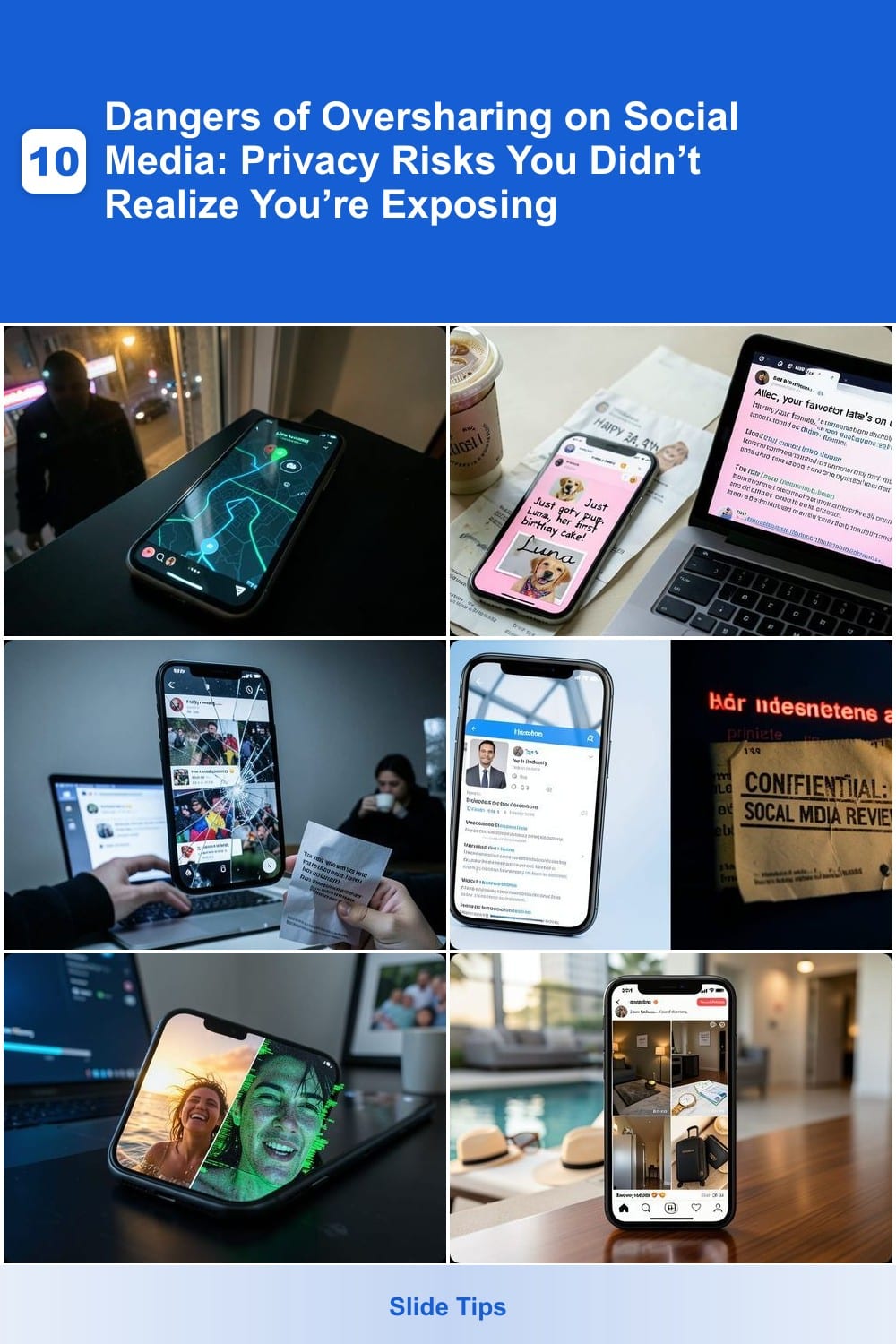
Your phone’s real-time location tags—like those from Instagram Stories, Snapchat, or fitness apps—might seem harmless, but they’re a goldmine for criminals. Burglars and stalkers monitor these tags to track your daily routines, pinpoint when you’re away from home, or even case your workplace for theft.
Apps like Facebook Check-In or Google Maps Timeline automatically log your visits to gyms, coffee shops, or even your home address. Criminals use this data to plan targeted burglaries—especially if you post updates like “Heading to the airport for 2 weeks!”—giving thieves a clear window to strike. Even “private” location history can be exposed through data breaches or hacked accounts.
If you’re frequently on the move or share work/school locations, this risk is especially high. Disable location sharing by default and review app permissions regularly to stay under the radar. 💻
Phishing Attacks Using Personal Details
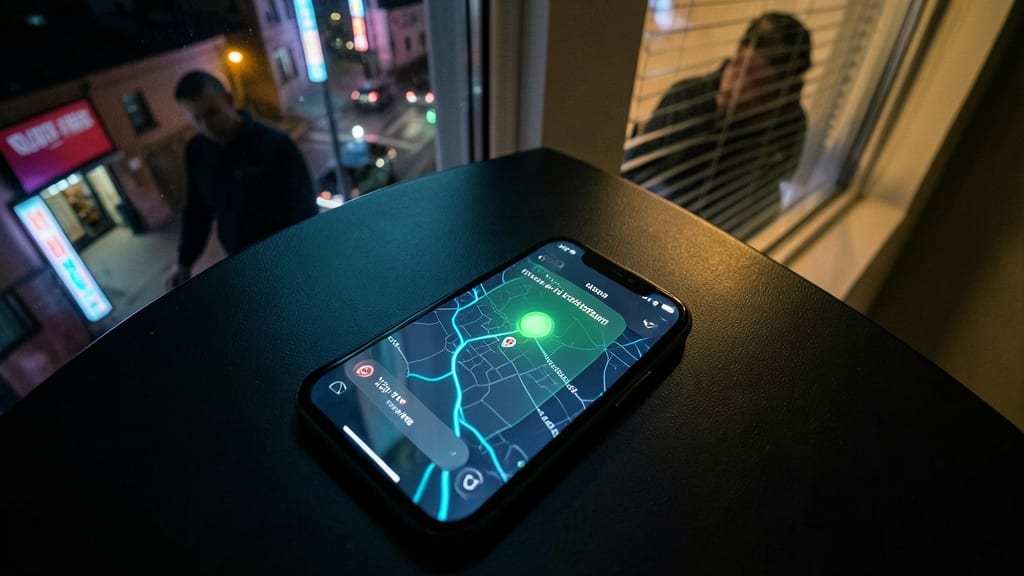
That "innocent" birthday post or pet name reveal might seem harmless, but scammers use these details to craft hyper-personalized phishing emails that trick even security-savvy users. Unlike generic scams, these messages reference your favorite coffee shop or your dog’s name—making them far harder to spot as fake.
Attackers leverage social engineering to bypass basic filters, often mimicking trusted contacts or services. A phishing email using your child’s name or a shared vacation memory can trigger urgency, pushing you to click malicious links before analyzing the sender. These targeted attacks have a 70% higher success rate than generic phishing, according to recent cybersecurity reports.
Small business owners, freelancers, and parents are especially vulnerable—anyone with publicly shared personal details. Always verify unexpected requests, even if they feel personal. 💡
Emotional Blackmail From Ex-Partners
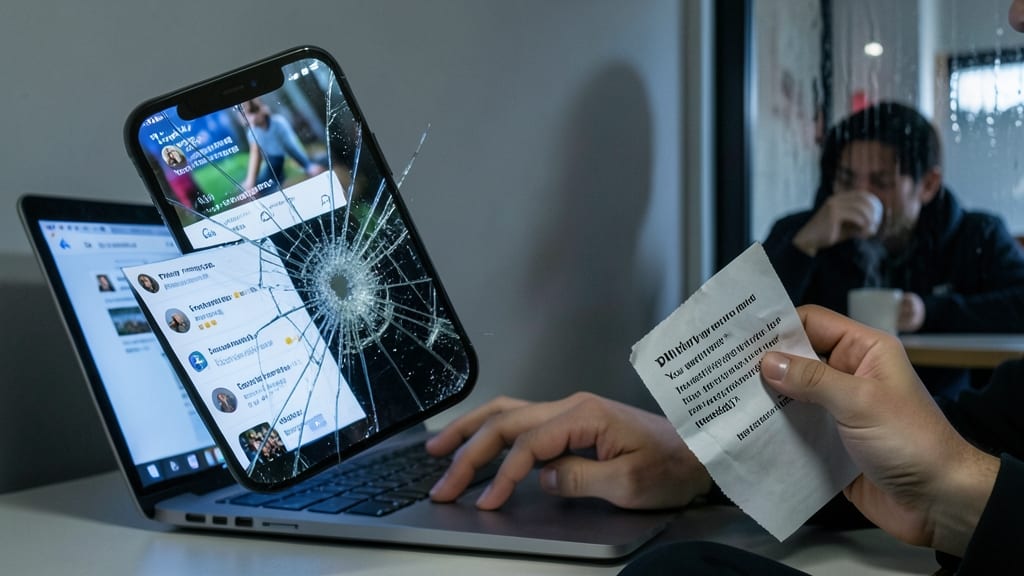
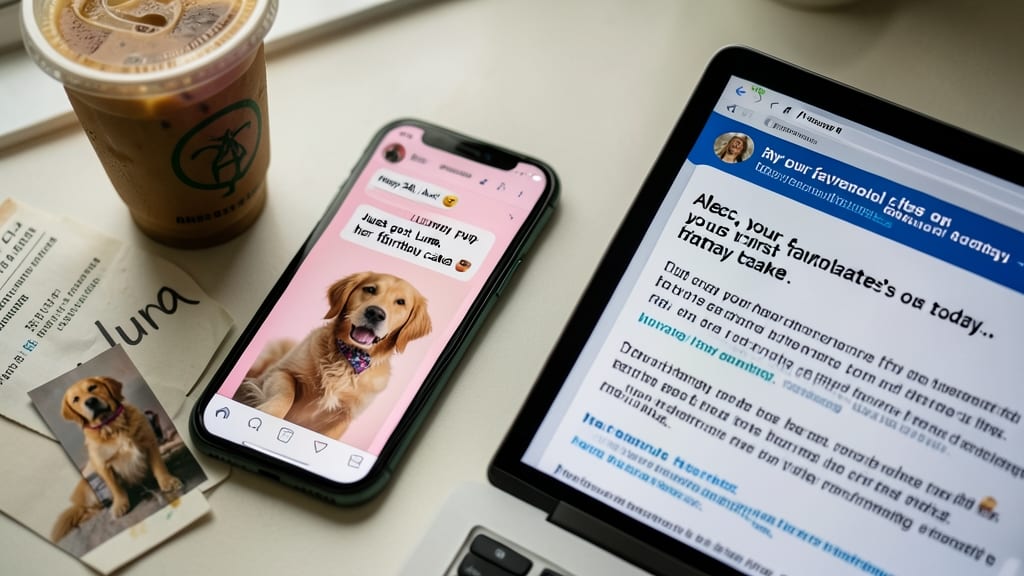
After a breakup, your social media posts about your kids, new relationships, or even casual rants can become digital leverage—especially if an ex-partner has mutual friends. Platforms like Facebook and Instagram make it easy for exes to pressure you by threatening to share private details with employers, family, or even child custody evaluators.
This tactic exploits shared connections and public posts, turning personal updates into emotional blackmail. For example, a post about a custody battle could be used to manipulate you into compliance, while photos of your children might be weaponized in legal disputes. Even seemingly harmless updates—like a new job or address—can be twisted into threats.
Parents, professionals, and anyone with a public profile should audit old posts and restrict visibility to trusted contacts only. 💪
Workplace Discrimination Risks
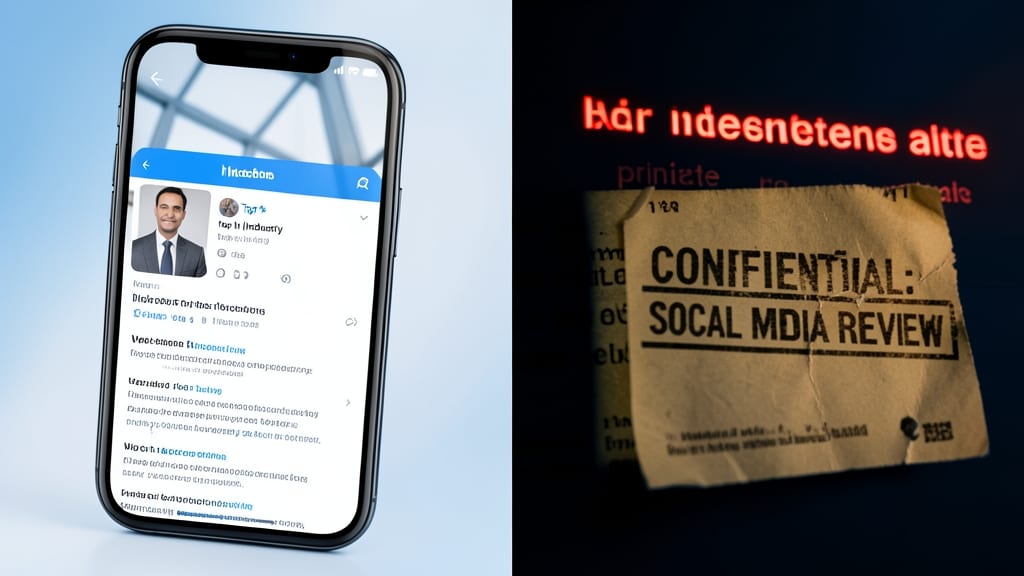
Your LinkedIn profile isn’t the only place employers lurk—even private posts can resurface in HR investigations. A 2023 study found that 43% of hiring managers have rejected candidates over controversial social media content, regardless of privacy settings.
Posts about political affiliations, religious beliefs, or health conditions (like mental health struggles) can trigger discrimination claims, especially in conservative or high-stakes industries. One real case: A nurse lost her job after posting about her LGBTQ+ support—her employer cited "cultural misalignment" in termination documents.
Freelancers, remote workers, and public-facing roles face the highest risk. Always review privacy settings, but remember: screenshots and third-party shares can bypass them. 💻
Deepfake Scams Using Shared Media
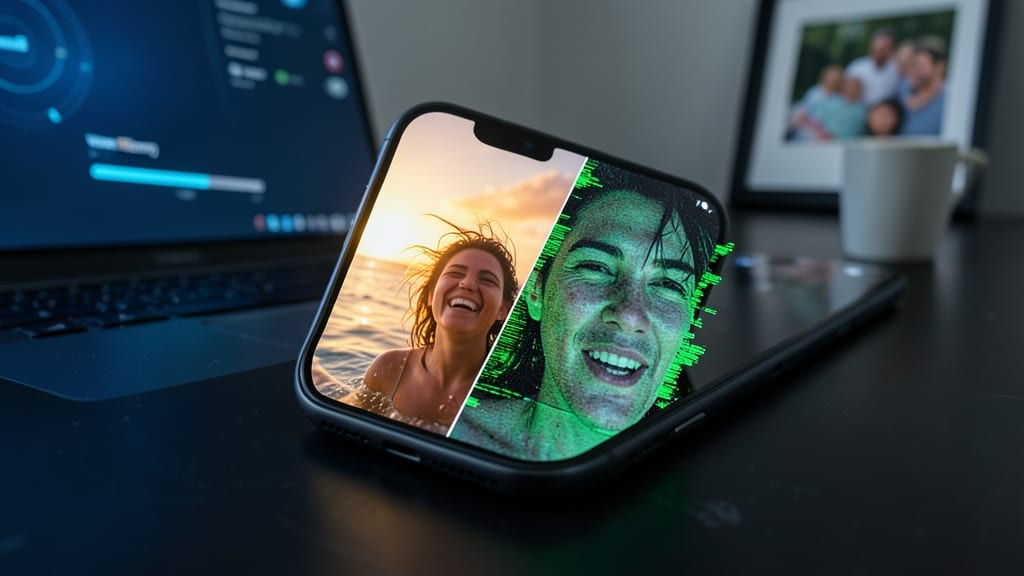
That vacation video or voice message you shared with friends might soon be used against you. With AI tools like ElevenLabs and DeepFaceLab, scammers can clone your voice, lipsync, or even create fake videos using just a few seconds of public content—often from your own posts.
These deepfakes can trick friends, family, or even employers into transferring money, signing contracts, or revealing sensitive info. A 2023 study found that 60% of deepfake scams start with publicly available media, and tools like D-ID can generate hyper-realistic fake videos in minutes. Even a single 10-second clip from a social post can be enough.
Celebrities and executives aren’t the only targets—everyday users are increasingly being impersonated in sextortion scams or fake job offers. If you’ve ever posted a video call, podcast snippet, or even a casual selfie, you could be at risk. 💻
Insurance Fraud From Vacation Posts
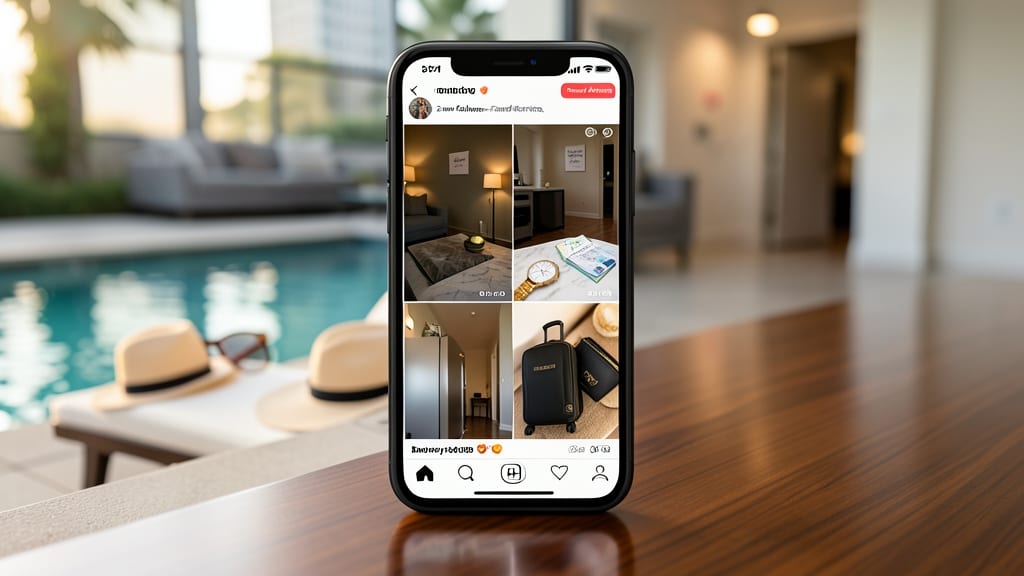
That dreamy vacation post might seem harmless, but real-time updates about empty homes or luxury purchases can turn your social media into a treasure map for criminals. Fraudsters monitor platforms like Instagram and Facebook for clues—like a week-long trip or a new high-end purchase—to stage break-ins or file false insurance claims.
One 2023 FBI report revealed a spike in vacation-related burglaries, where criminals use posts to time home invasions while victims are away. Even worse, some fraudsters fabricate theft claims after seeing expensive purchases, forcing you to prove ownership. A simple "Just got a new smart TV!" post could become evidence in a staged burglary case.
Homeowners and frequent travelers should delay posts until returning or use private accounts with restricted audiences. A little patience can save you from becoming an unintentional accomplice in your own fraud case. ✨
Doxxing Attacks on Activists
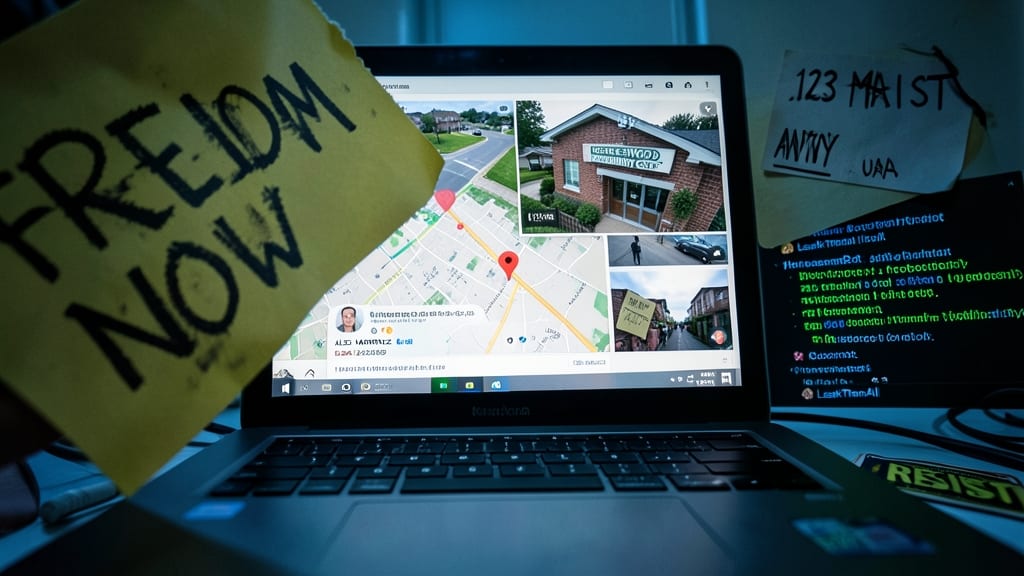
Activists advocating for social justice, climate action, or political reform often face doxxing attacks—a deliberate effort to expose their personal details online. Unlike casual oversharing, this tactic turns public posts about addresses, schools, or political affiliations into weapons for harassment, swatting (fake emergency calls to police), or even physical threats.
Tools like Maltego or SpiderFoot (used by hackers and researchers) scrape social media to compile dossiers, while platforms like 4chan or Discord become hotspots for sharing doxxed info. A single geotagged protest photo can reveal home locations, and political views can trigger targeted campaigns—even years after the original post. The Electronic Frontier Foundation reports a 300% rise in activist doxxing cases tied to oversharing since 2020.
This risk isn’t just for high-profile figures—local organizers or first-time protesters are equally vulnerable. Use private accounts, avoid geotags, and scrub old posts before campaigns. Staying safe online means treating every detail like a potential target. 💪
Algorithmic Discrimination in Lending
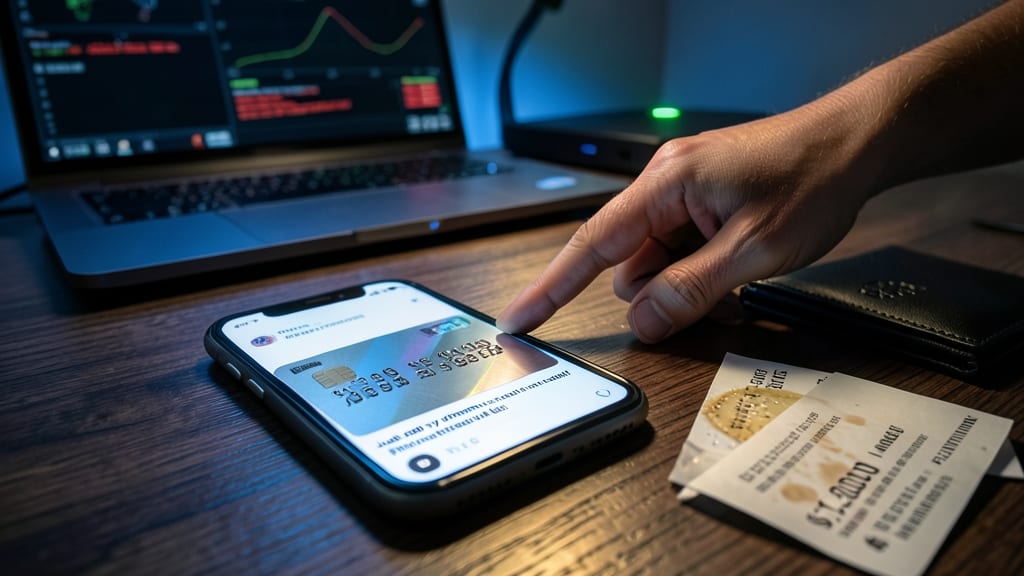
That "financial freedom" post about your new credit card might be costing you more than you think. Banks and lenders increasingly use AI-driven underwriting models that analyze social media data to assess risk—meaning discussions about spending, debt, or even financial struggles can trigger automated loan denials or higher interest rates.
These algorithms scan for keywords like "luxury purchases," "payday loans," or "debt consolidation" and cross-reference them with credit scores. A 2023 study found that 37% of millennials were flagged for biased lending decisions after posting about financial hardships, even when their credit was solid. The kicker? Many users don’t realize their social activity is being monitored—let alone how it directly impacts their borrowing power.
If you’re applying for a mortgage, car loan, or even a credit card, temporarily muting financial discussions or using private accounts could save you thousands. 💻
Child Safety Risks From School Posts
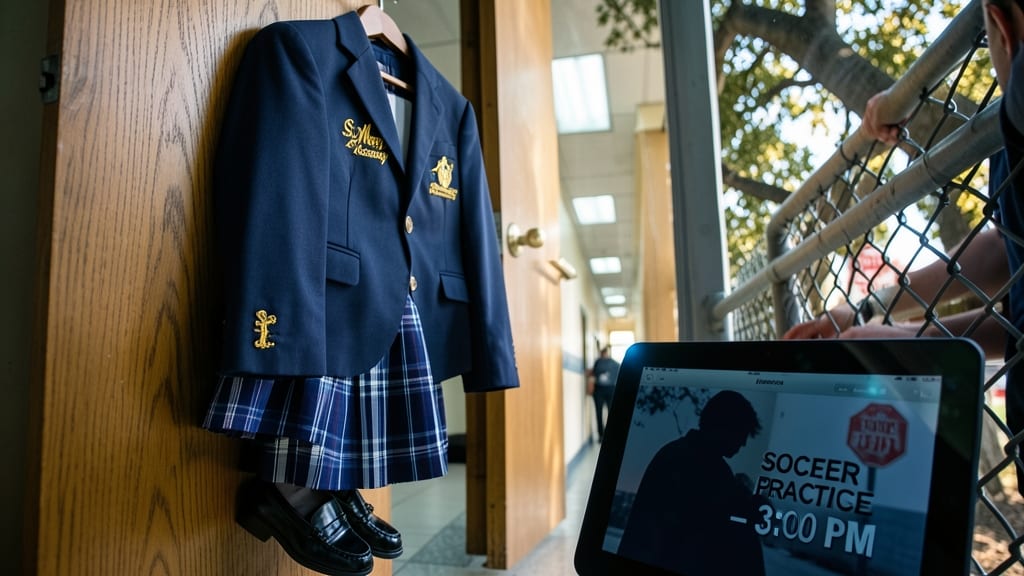
A single photo of your child’s school uniform or a post about their after-school schedule might seem harmless—but predators use this info to stalk kids online or lurk near schools. The FBI warns that oversharing school details is a top tactic for grooming children, often starting with seemingly innocent comments like "So proud of my kid’s first day at [School Name]!"
Even geotagged photos near schools or mentions of bus routes give predators exact locations to monitor. One study found that 68% of kids whose school info was public had their profiles viewed by unknown accounts within 24 hours. Apps like Google Maps or Facebook’s "Check In" can unintentionally broadcast real-time whereabouts, making children easy targets for abduction or harassment.
Parents of elementary to high school students should treat school-related posts like private medical records. Use platform privacy tools to restrict visibility, avoid posting schedules, and never share photos with location data. A little caution now can prevent a lifetime of regret. 💪
Corporate Espionage Through Work Chatter
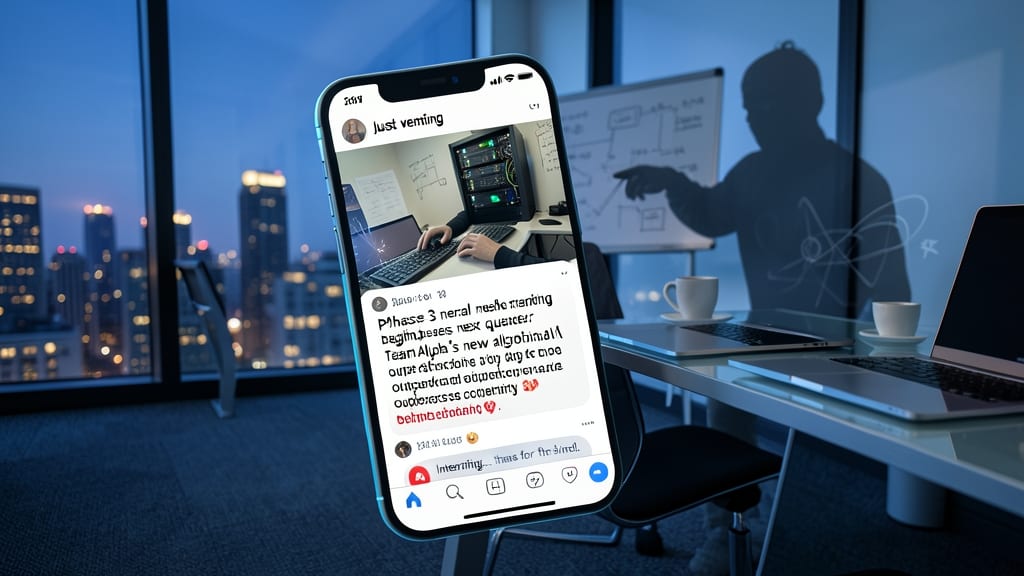
That casual "just venting" LinkedIn post about your company’s cutting-edge AI project might seem harmless—but it could be a goldmine for competitors. Hackers and corporate spies don’t need to break into systems when they can simply scrape public posts for details like team structures, deadlines, or even client names.
Even seemingly innocent updates—like "Our team just wrapped up the beta for Project X"—can reveal enough to let rivals reverse-engineer strategies or bait targeted phishing attacks. One 2023 study found that 68% of Fortune 500 companies had at least one employee unknowingly expose sensitive data via social media. The damage? Stolen trade secrets, lost contracts, or even lawsuits for breach of confidentiality.
If your role involves projects, clients, or proprietary tech, assume nothing is "safe" to post—even on private accounts. A single overshare could turn your career into a corporate espionage case study. 💻