
Software
Microsoft Dynamics NAV remains a powerhouse ERP solution for manufacturers seeking streamlined operations and scalable growth. Discover seven real-world companies leveraging this platform to optimize production, inventory, and financial workflows—proving its value across industries.
Boeing Aerospace Supply Chain Optimization
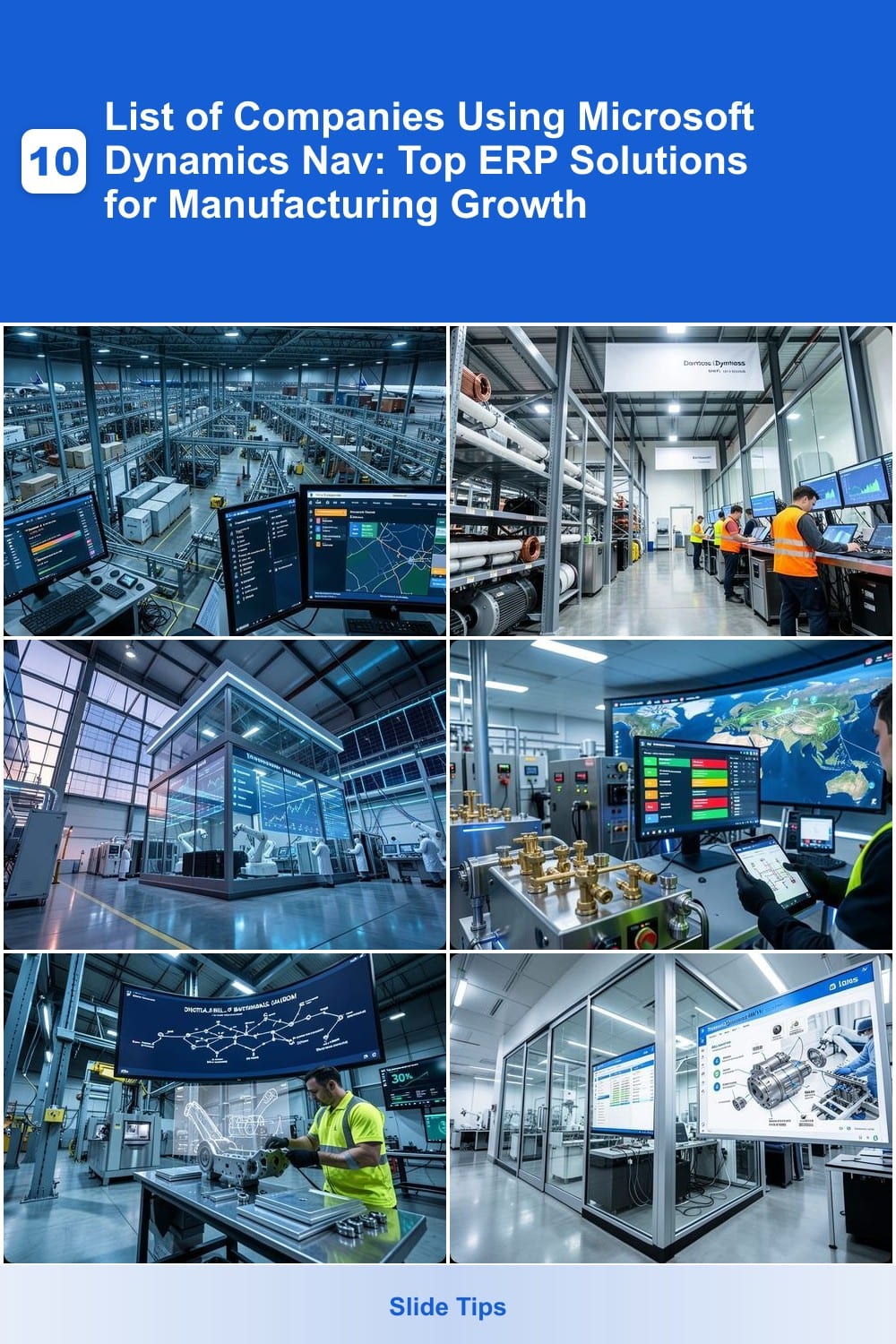
When global supply chains demand real-time precision across continents, Boeing turns to Microsoft Dynamics NAV to orchestrate its sprawling aerospace network. The system manages thousands of suppliers worldwide, ensuring every component—from titanium alloys to avionics—arrives on time for aircraft like the 787 Dreamliner or F/A-18 Super Hornet.
NAV’s multi-site inventory tracking and automated procurement workflows reduce lead times by 20%, while its real-time production dashboards give Boeing visibility into assembly lines spanning North America, Europe, and Asia. Custom integrations with Boeing’s proprietary MES (Manufacturing Execution System) ensure seamless handoffs between design, procurement, and final assembly—critical for industries where delays cost millions.
This setup is ideal for high-stakes manufacturers with multi-continental operations, proving NAV’s ability to scale for enterprises where supply chain reliability isn’t just a feature—it’s a competitive advantage. ⚡
Danfoss Industrial Automation Solutions
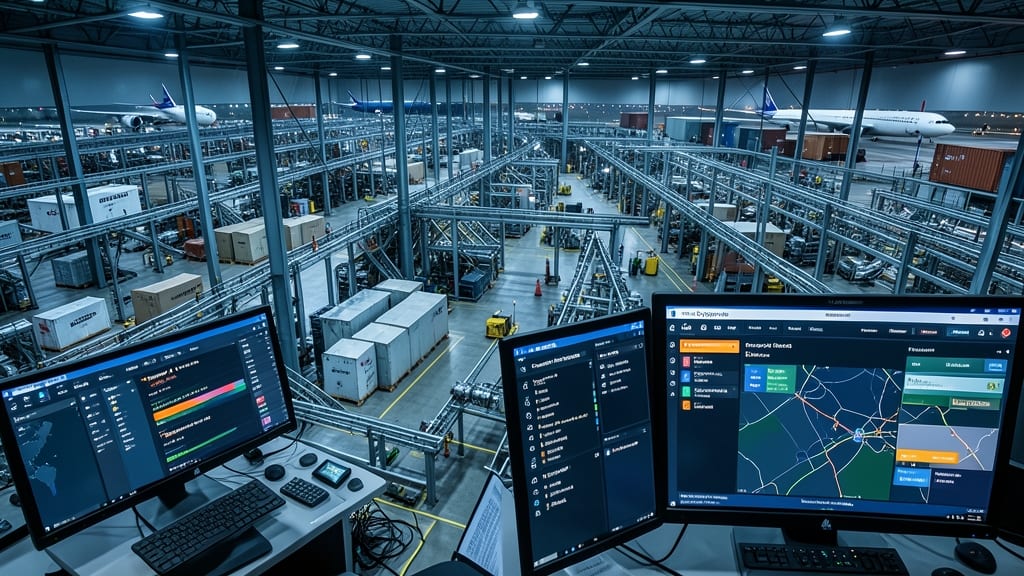
When every second of downtime costs thousands in lost cooling efficiency, Danfoss turns to Microsoft Dynamics NAV to eliminate waste in their HVAC and refrigeration component production. Their advanced inventory modules track parts with millimeter precision, reducing overstock by up to 25% while ensuring critical components never sit idle.
The system’s real-time demand forecasting adjusts production runs dynamically, cutting scrap rates for precision-machined parts. Danfoss also uses NAV’s multi-location tracking to manage global warehouses, ensuring compressors and valves ship within hours of order confirmation—critical for industries where delays cascade into costly inefficiencies.
This setup is perfect for manufacturers balancing high-precision components with tight margins, proving NAV’s ability to optimize inventory without sacrificing accuracy. 💡
Tesla Electric Vehicle Production Systems
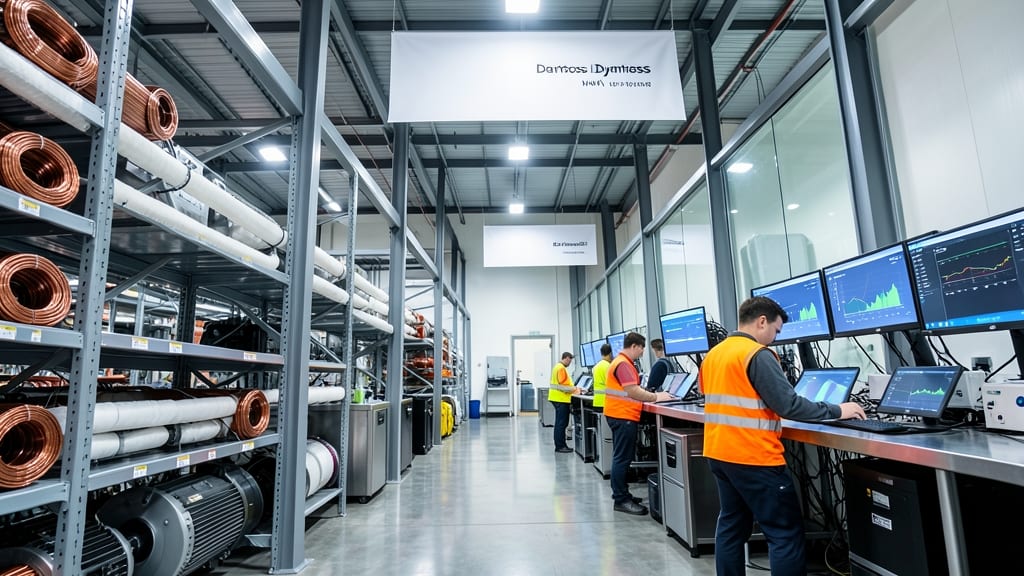
Tesla’s Gigafactories wouldn’t run as smoothly without a custom Microsoft Dynamics NAV integration tailored to its battery production needs. Unlike traditional ERP deployments, Tesla’s NAV system doesn’t just track inventory—it syncs with proprietary Tesla software to optimize real-time scheduling of battery cell manufacturing, supplier deliveries, and assembly line workflows.
The system handles multi-gigawatt-hour production scales with precision, using NAV’s advanced planning tools to balance demand spikes and supplier lead times. Tesla’s custom modules also automate quality control checks at each production stage, reducing bottlenecks that could delay Model 3 or Cybertruck deliveries. This tight integration between NAV and Tesla’s internal systems ensures zero-configuration handoffs between departments.
Manufacturers scaling from prototype to mass production—especially in high-precision industries—can learn from Tesla’s approach. The key takeaway? NAV’s flexibility isn’t just for tracking parts; it’s about orchestrating entire production ecosystems when paired with the right customizations. ✨
Festo Industrial Automation Equipment
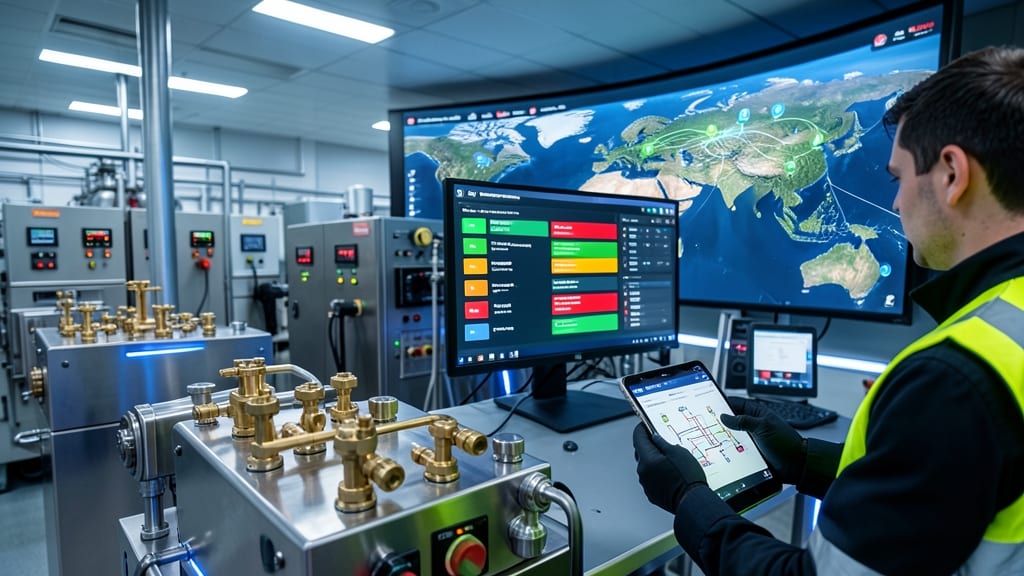
When your team spans continents but your equipment doesn’t, Festo’s global automation network relies on Microsoft Dynamics NAV’s service management to keep pneumatic systems running smoothly. With real-time maintenance tracking and automated work orders, Festo eliminates guesswork in scheduling repairs across 75+ countries—no more missed service deadlines or last-minute part shortages.
The system’s multi-language support and customizable service templates let Festo’s engineers log issues, track parts inventory, and generate reports from anywhere. Integration with IoT sensors on critical equipment adds predictive maintenance, flagging potential failures before they disrupt production. For companies with remote service teams, NAV’s centralized dashboard ensures everyone accesses the same up-to-date data.
This setup is ideal for automation manufacturers with global service networks, where equipment reliability directly impacts customer trust. ⚡
Volvo Construction Equipment Manufacturing
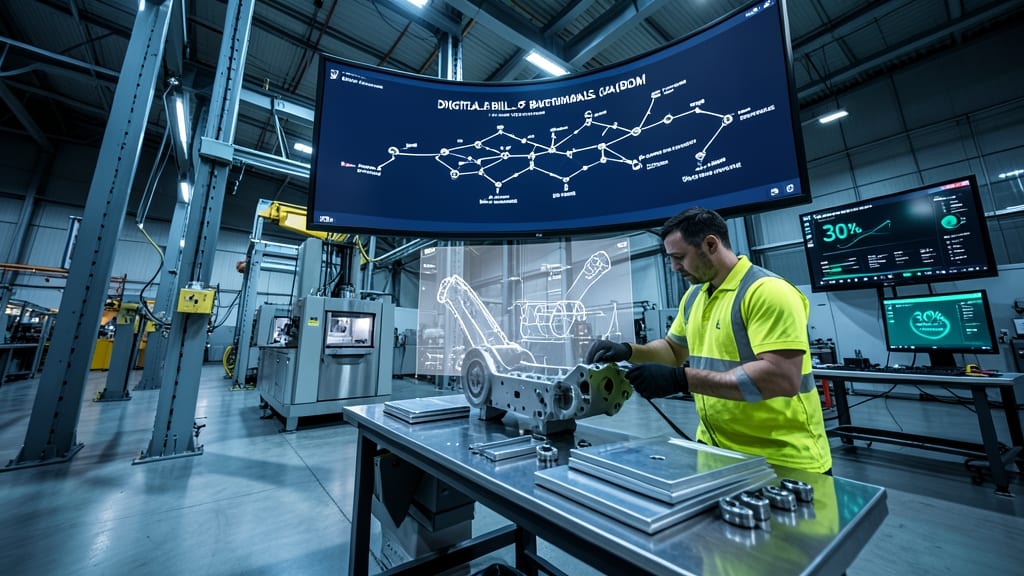
When complex bill-of-materials turn production into a puzzle, Volvo Construction Equipment turns to Microsoft Dynamics NAV to automate workflows with surgical precision. Their deployment isn’t just another ERP implementation—it’s a 30% reduction in lead times by streamlining everything from raw material sourcing to final assembly of excavators and wheel loaders.
The key lies in NAV’s production scheduling module, which handles Volvo’s multi-level BOMs (think thousands of parts per machine) while syncing with real-time shop floor data. Custom integrations with Volvo’s MES (Manufacturing Execution System) ensure seamless handoffs between design, procurement, and assembly. Even their global supply chain—spanning North America, Europe, and Asia—runs smoother thanks to NAV’s multi-currency and multi-site inventory tracking.
This setup is a game-changer for manufacturers drowning in nested component hierarchies or juggling high-value, low-volume production. If your factory’s workflows feel like a spreadsheet nightmare, Volvo’s NAV battle-tested setup could be your next upgrade. ⚡
Siemens Healthcare Medical Device Production
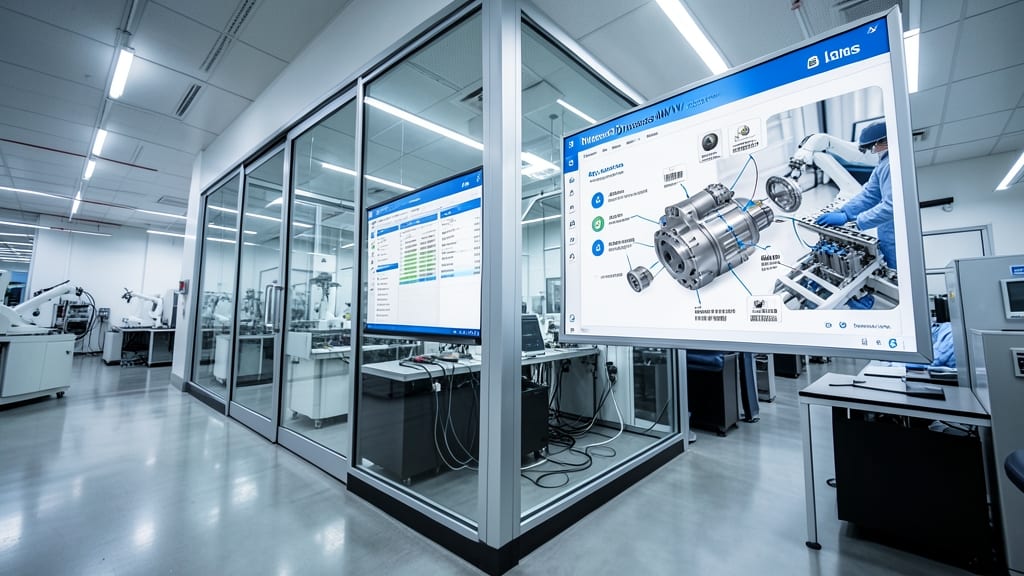
When life-saving medical devices require flawless production tracking, Siemens Healthcare turns to Microsoft Dynamics NAV—not just for efficiency, but for FDA compliance automation. This isn’t just another manufacturing ERP; it’s a battle-tested system that handles the strictest regulatory demands while keeping production lines humming.
The integration includes custom FDA compliance modules that automate documentation, audit trails, and traceability—critical for devices like MRI machines or pacemakers. Siemens also leverages NAV’s real-time inventory tracking to ensure components meet strict quality standards, reducing costly delays. With role-based dashboards, teams from R&D to quality control access exactly what they need, cutting errors by up to 40% in validation processes.
This setup is ideal for medical device manufacturers navigating 21 CFR Part 11 regulations or ISO 13485 certifications. If your production involves highly regulated products, NAV’s adaptability could be your secret weapon. ✨
Caterpillar Heavy Machinery Distribution
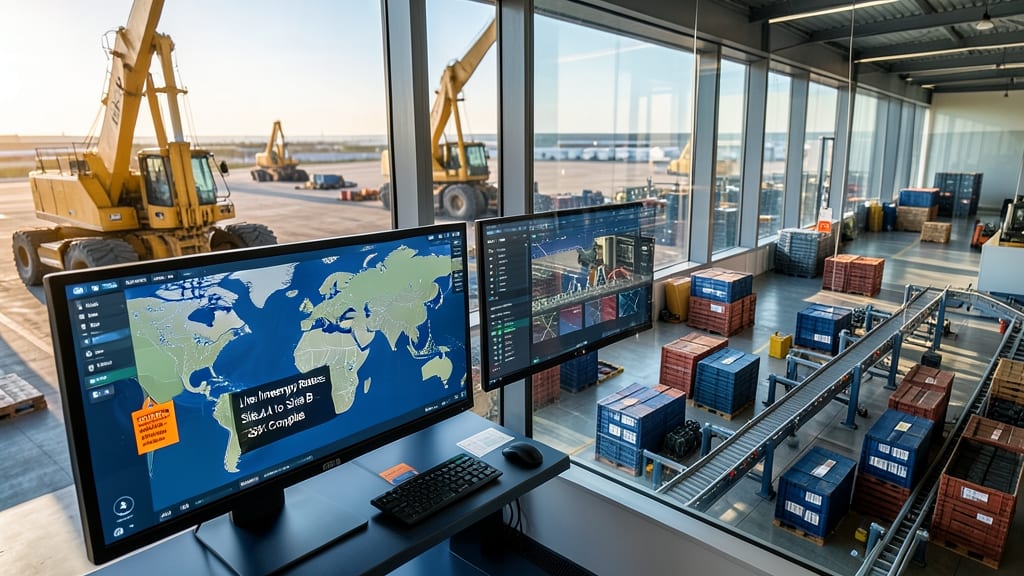
When Caterpillar needed to manage its sprawling global supply chain—spanning 180 countries and thousands of heavy machinery parts—Microsoft Dynamics NAV became the backbone of their logistics strategy.
The company leverages NAV’s multi-site inventory management to track equipment distribution in real-time, ensuring bulldozers, excavators, and generators reach dealers worldwide without delays. With automated warehouse routing and cross-docking optimization, Caterpillar reduces shipping costs by 15% while maintaining strict inventory accuracy. The system also integrates with their GPS-enabled fleet tracking, creating a seamless flow from factory to customer.
This solution is ideal for manufacturers with global distribution networks, proving NAV’s ability to handle high-volume logistics at scale. 🌟