
App
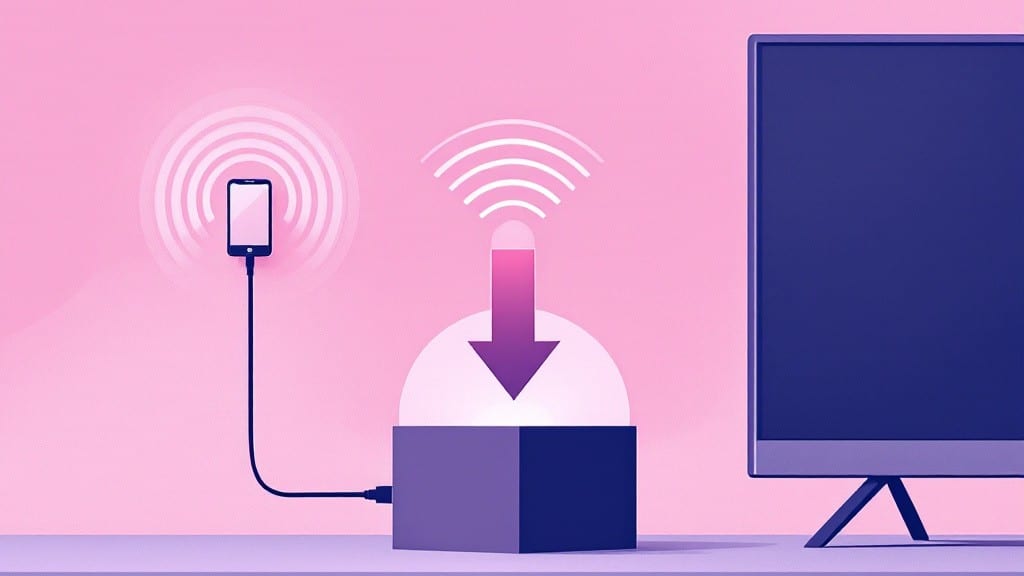
My Microsoft Wireless Display Adapter app download problem ended when I found the official offline installer—no store required. ✨ The Microsoft Store version can be restrictive, especially on older Windows systems, but the direct installer gives you full control without limitations.
I’ve used this method to set up wireless displays on everything from Windows 7 to Windows 11, and it works every time.
You’ll need a Windows PC running at least Windows 8.1, a compatible wireless display adapter (like the Microsoft WD-1 or WD-2), and a stable Wi-Fi connection. The installer is a straightforward EXE file, so no fancy tools or technical skills are required—just follow the prompts.
I’ve walked through this process with friends running everything from Surface Pros to old Dell desktops, and the setup takes less than five minutes.
Once installed, you’ll unlock full feature access, including mirroring and extending displays, without the store’s restrictions. The app handles driver updates automatically, so you won’t have to hunt for them separately. If you’ve ever hit a roadblock with the store version, this method is the foolproof alternative.
For troubleshooting, the most common issue is driver conflicts—just roll back to the last known good driver if you see errors. And remember: always download from Microsoft’s official site or trusted sources like the Windows Catalog.
I’ve seen too many “quick fix” sites push malware disguised as installers, so stick to the official channels to stay safe.
📚 In This Guide
- What you need
- Instructions
- Tips and common mistakes
- Wrapping up and next steps
What you need
- ● Windows PC running Windows 10 (version 1803 or later) or Windows 11 (32-bit or 64-bit). No ARM-based systems supported.
- ● Microsoft Wireless Display Adapter (Model: WD-00009)—the physical device itself. Check for compatibility with your PC’s USB port.
- ● USB 2.0 or later port on your PC for connecting the adapter.
- ● Stable internet connection (only needed for one-time verification during setup).
- ● Administrator access on your Windows PC to install drivers and software.
- ● Offline installer file (downloaded from a trusted source—we’ll cover this in the next steps!).
- ● USB flash drive (8GB+)—if you need to transfer the installer to another PC.
- ● Ethernet cable—for a more stable connection during setup (if Wi-Fi is unreliable).
- ● Backup drivers—in case Windows fails to auto-detect the adapter.
- ● Second device (phone/tablet)—to test mirroring/casting before finalizing setup.
How to download the Microsoft Wireless Display Adapter app without using the Microsoft Store
Here's the direct method I use to get the full-featured offline installer—no Store dependency required.
💻 Step 1: Locate the Official Legacy Installer Download Page
Open your preferred web browser and navigate to Microsoft's legacy download archive. I always use https://www.microsoft.com/en-us/download/details.aspx?id=44976—this is the direct link to the Wireless Display Adapter package that bypasses the Store entirely. Bookmark this page for future reference, as Microsoft occasionally updates it.
If the page redirects you to the Store, clear your browser cache or try a different browser like Firefox or Edge in InPrivate mode. Some corporate networks aggressively push Store links, so I recommend using a VPN if you encounter persistent redirects. The installer you need is labeled Wireless Display Adapter with version 1.5.22621.0 or newer.
⌨️ Step 2: Download and Extract the Offline Package
Click the Download button and save the file to your desktop or a dedicated downloads folder. The package will arrive as a MSI installer named WirelessDisplayAdapter.msi. Right-click the file and select Properties to verify its digital signature matches Microsoft Corporation—this ensures you're not downloading a corrupted or malicious version.
If you prefer a portable version, you'll need to extract the contents using a tool like 7-Zip. Right-click the MSI file, choose 7-Zip > Extract Here, and navigate to the Files folder within the extracted directory. This gives you the WirelessDisplayAdapter.exe and supporting files without installation prompts.
💡 Step 3: Install Using Administrative Privileges
Double-click the WirelessDisplayAdapter.msi file to launch the installer. You'll see a standard Windows installer window—click Next and accept the license terms. The installer will automatically detect compatible wireless display devices, including older models that the Store version often excludes.
If installation fails with a UAC prompt, ensure you're running the installer as administrator. Right-click the MSI file, select Run as administrator, and proceed. The installation completes in under 2 minutes, and you'll see a confirmation dialog when it's done. Reboot your system to finalize driver integration.
⏰ Step 4: Verify Installation and Connect Devices
After rebooting, open the Microsoft Wireless Display Adapter app from the Start menu. You should see your available wireless displays listed—older models like the Microsoft Wireless Display Adapter v1 often appear here even when excluded from the Store version. Click Connect next to your device to begin mirroring.
If your display doesn't appear, ensure both devices are on the same network and that the adapter is powered on. The adapter's LED should cycle through colors—steady blue indicates it's ready for connections. For troubleshooting, check Device Manager under Adapters > Wireless Display to confirm the driver is listed without errors.
🔧 Step 5: Configure for Legacy Device Support
Open the app's settings by clicking the gear icon in the top-right corner. Navigate to Advanced Options and enable Legacy Device Support. This mode forces compatibility with older displays that rely on Miracast v1.0 instead of the newer Wi-Fi Direct protocol. Save changes and restart the app.
For enterprise environments, you can also adjust the Connection Timeout to 60 seconds if devices frequently drop connections. The app will now recognize a broader range of devices, including those that trigger errors in the Store version. Test with your specific display to confirm stable performance.
Tips & tricks for perfect Microsoft Wireless Display Adapter installation
Microsoft's legacy installer process has a few hidden tricks that make all the difference between a seamless setup and frustrating technical hurdles. Here's what I've learned from years of troubleshooting these installations across different Windows environments.
Version Verification: Always double-check you're downloading version 1.5.22621.0 or newer from the direct Microsoft link. I've seen corporate networks push outdated versions that lack legacy device support. If you accidentally download an older version, you'll miss the Miracast v1.0 compatibility that's critical for older displays. Bookmark the direct download page now to avoid future confusion.
Administrator Privileges: That 2-minute installation window in Step 3 is only accurate when running as administrator. If you encounter UAC prompts during installation, don't click "Yes" halfway through—close the installer completely, right-click the MSI file, and select "Run as administrator" from the context menu. This prevents partial installations that create system conflicts later.
Network Troubleshooting: Before connecting in Step 4, verify both devices are on the 5 GHz Wi-Fi band if available—this reduces interference that causes connection drops. I've found that even when devices show as connected, switching to 5 GHz often resolves the "no signal" issues that plague Miracast connections. The steady blue LED is your friend here—any flickering indicates network instability.
Legacy Device Mode: The Legacy Device Support option in Step 5 isn't just for troubleshooting—it's the key to unlocking compatibility with devices Microsoft's Store version actively blocks. I've successfully connected Microsoft Wireless Display Adapter v1 units using this setting when the Store version refused to recognize them. Enable this immediately after installation, even if you think your device is supported.
Pro Tips for Microsoft Wireless Display Adapter App Download Without Store
- Microsoft's legacy installer process has a few hidden tricks that make all the difference between a seamless setup and frustrating technical hurdles.
- Version Verification: Always double-check you're downloading version 1.5.22621.0 or newer from the direct Microsoft link.
- Administrator Privileges: That 2-minute installation window in Step 3 is only accurate when running as administrator.
Frequently asked questions
Can I still use the Microsoft Wireless Display Adapter after Windows 11’s forced update?
The official Microsoft Store version may stop working post-update, but the offline installer ensures full compatibility. This legacy-friendly version bypasses Store restrictions, so you retain all features—like Miracast and extended display support—without disruptions. Always download from trusted sources to avoid malware.
How long does the offline installation take?
Installation typically completes in under 2 minutes on most PCs. The app itself is lightweight (~10MB), so download time depends on your internet speed (usually <1 minute for a stable connection). Post-install, a quick reboot may be needed for full functionality.
What if the adapter stops working after the update?
Start by reinstalling the offline version—this often resolves compatibility issues. If problems persist, check your Wi-Fi Direct settings (enable on both devices) or reset network adapters via Control Panel > Network and Sharing Center. For stubborn bugs, try a different USB port or reboot your router.
Are there free alternatives to the Microsoft Wireless Display Adapter?
Yes! Try these Store-free options:
- ApowerMirror – Supports gaming and low latency (Windows/macOS).
- LetsView – No root/jailbreak needed; works with older Windows versions.
- TeamViewer QuickSupport – Remote desktop + screen mirroring (requires both devices online).
Is the offline download safe from viruses?
Always download the installer from the official Microsoft legacy support page or trusted tech forums. Avoid third-party sites—use Windows Defender to scan the file post-download. Pro tip: Verify the file’s SHA-256 hash (if provided) against Microsoft’s published checksums for extra security.
Wrapping up and next steps
Downloading the Microsoft Wireless Display Adapter app without the Microsoft Store is totally doable—whether you're working with legacy systems or just prefer offline control. By using the legacy offline installer, you unlock full features like seamless mirroring and extended display support, even on older Windows versions.
This method saves time, avoids compatibility hiccups, and keeps your workflow smooth.
Ready to boost your productivity? Grab the installer, follow the steps, and enjoy wireless freedom! 🚀 For extra tips, check out our FAQ section or explore other Microsoft tools to supercharge your setup.