
Software
Navigating Microsoft SQL Server Management Studio (SSMS) versions can be overwhelming due to evolving features and compatibility requirements. This guide breaks down the 10 key SSMS releases, highlighting their unique capabilities and helping you choose the right version for your database administration needs.
SQL Server Management Studio 18.0

If you're managing SQL Server 2019 databases—especially in hybrid cloud environments—SSMS 18.0 is the version you need. This release bridges on-premises and Azure with seamless integration, while its Query Store enhancements give you deeper performance insights without digging through logs.
The standout features include real-time query performance metrics directly in the execution plan, simplified Azure SQL Database migrations, and support for SQL Server 2019’s built-in intelligence features like Intelligent Query Processing. It also resolves long-standing UI quirks (like the infamous "missing tools" bug) with a more stable foundation.
Cloud-focused DBAs and teams transitioning to Azure will appreciate the native Azure Portal integration, while local admins benefit from the consolidated toolset that replaces older, fragmented updates. ⚡
SQL Server Management Studio 17.9

If you're managing complex stored procedures or automating database tasks with PowerShell, SSMS 17.9 is the last standalone version you’ll need before Microsoft shifts focus to Azure Data Studio. This release bridges the gap between legacy SSMS workflows and modern cloud tools.
Key highlights include enhanced PowerShell scripting directly within the interface, letting you execute and debug scripts without leaving SSMS. The IntelliSense engine also received upgrades, offering smarter autocomplete for nested stored procedures and dynamic SQL—critical for developers maintaining legacy systems. It maintains full compatibility with SQL Server 2017 while previewing features later adopted by Azure Data Studio.
This version is ideal for database administrators still reliant on SSMS’s mature feature set or those transitioning to Azure Data Studio. Its scripting capabilities make it a powerhouse for automation-heavy environments. ✨
SQL Server Management Studio 17.8

For enterprises handling sensitive financial or healthcare data, SQL Server Management Studio 17.8 stands out as a critical security-focused release. This version introduced Always Encrypted with secure enclaves, a game-changer for protecting data at rest and in use without exposing decryption keys to the database engine.
The secure enclaves feature leverages hardware-based isolation to process encrypted data directly in the CPU, ensuring even privileged users can’t access plaintext. It also maintains full compatibility with SQL Server 2017, making it ideal for organizations already invested in that version. The release also refined performance tuning tools, helping admins optimize queries without compromising security.
If your organization deals with HIPAA-compliant data or PCI-DSS requirements, this version is a must. Its focus on encryption and compliance makes it the safest choice for high-stakes environments. ✨
SQL Server Management Studio 17.7

If your team runs SQL Server 2017 on Linux but still needs the familiar SSMS interface, version 17.7 was the game-changer. This was Microsoft’s first release to bridge the gap between Windows and Linux environments, offering identical functionality across both platforms—a rare feat in enterprise software.
The standout feature? Full feature parity—no compromised tools or missing capabilities. You get the same query editor, performance dashboards, and security settings whether you’re managing databases on Ubuntu, RHEL, or Windows Server. The Linux version even supports graphical tools like Table Designer, something many assumed would be Windows-exclusive. Plus, it included SQL Server 2017-specific improvements, like better Always Encrypted management and streamlined container deployment.
This version is ideal for DevOps teams or admins juggling hybrid cloud environments. If you’re maintaining databases across both Windows and Linux, 17.7 ensures consistency without sacrificing performance. ✨
SQL Server Management Studio 17.4
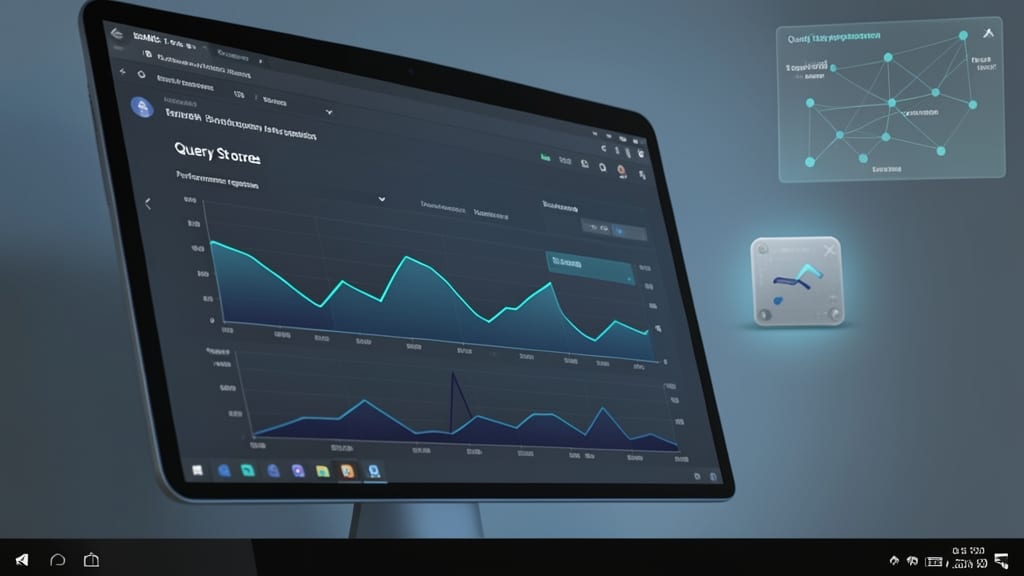
If you're running SQL Server 2016 SP2 and need a smoother upgrade path, SSMS 17.4 bridges the gap between legacy and modern features. This version introduced refined query store capabilities, letting you track performance regressions and optimize queries without complex setups.
The enhanced compatibility with SQL Server 2016 SP2 makes it ideal for organizations transitioning from older versions like 2014 or 2012. You’ll also find improved IntelliSense for stored procedures and better error handling in execution plans—small but critical upgrades for daily administration.
Perfect for IT teams managing hybrid environments or those preparing for future upgrades, SSMS 17.4 offers a stable middle ground. ⚡
SQL Server Management Studio 17.2

If you're building modern web apps that rely on JSON data, SQL Server Management Studio 17.2 was a game-changer for developers. Released in 2017, this version introduced native JSON support improvements that bridged the gap between relational databases and NoSQL-like structures—something earlier versions struggled with.
The standout feature was enhanced JSON query capabilities, including better validation, formatting, and path navigation within the SQL Server 2016 SP1 environment. You could now parse, modify, and store JSON documents directly in SQL tables without workarounds, making it perfect for APIs and microservices. The compatibility tweaks also smoothed out integration with newer web stacks, reducing friction for full-stack developers.
This version remains a solid choice for teams working with legacy SQL Server 2016 SP1 deployments while needing modern JSON flexibility. It’s especially valuable if you’re migrating from older systems but don’t want to overhaul your entire infrastructure. ✨
SQL Server Management Studio 16.5

If you're still managing SQL Server 2014 environments, SSMS 16.5 is the last version designed specifically for your needs. This release bridges the gap between older infrastructure and modern database management, ensuring you don’t get left behind while upgrading.
Key improvements include streamlined backup/restore operations with clearer progress tracking and error handling, plus enhanced high-availability support for AlwaysOn configurations. The interface remains familiar, but under the hood, it’s optimized for SQL Server 2014’s performance tuning—critical for legacy systems still powering mission-critical applications. 💻
SQL Server Management Studio 16.1

If you're managing enterprise databases with SQL Server 2016, SSMS 16.1 is the version that bridges legacy systems with modern needs. This release introduced temporal tables—a game-changer for tracking data changes over time without complex triggers—alongside refined AlwaysOn availability groups configuration for seamless failover setups.
The SQL Server 2016 compatibility ensures smooth migrations from older versions, while the enhanced AlwaysOn tools simplify high-availability deployments. For enterprises relying on point-in-time recovery or disaster resilience, this version’s improvements to distributed transaction handling and query performance tuning make it a standout choice.
Ideal for database administrators in finance or healthcare, where audit trails and uptime are critical, SSMS 16.1 delivers the stability and features needed without overhauling your infrastructure. 💪
SQL Server Management Studio 2014

If you're a developer bridging the gap between SQL Server and Visual Studio, SQL Server Management Studio 2014 was the first standalone version designed specifically for SQL Server 2014—and it brought game-changing integration with Microsoft’s IDE ecosystem.
The improved query design surface made writing complex T-SQL scripts more intuitive, while the Visual Studio 2015 integration let developers debug stored procedures directly from their IDE. This version also introduced enhanced IntelliSense for better code completion, reducing manual errors in large-scale projects. Built for Windows 7/8.1, it was the go-to for teams transitioning from older systems.
Perfect for enterprise developers and legacy system maintainers, this version remains a nostalgic favorite for those working with older SQL Server 2014 environments. 💻
SQL Server Management Studio 2012

If you're maintaining legacy systems running SQL Server 2012, SSMS 2012 remains the go-to tool—even though it’s nearly a decade old. This version introduced foundational features like the database diagram tool and query designer, which later became industry standards in modern SSMS iterations.
The original SSMS interface (pre-2014) was revolutionary, offering SQL Server 2012-specific optimizations like improved index tuning advisors and AlwaysOn availability groups support. It also included SQL Server Data Tools (SSDT) integration for developers, a feature that evolved into today’s robust tooling.
This version is ideal for enterprise environments still running SQL Server 2012, especially in industries with strict compliance needs (e.g., finance or healthcare). For everyone else, it’s a nostalgic reminder of how far SSMS has come. ✨